World Challenge for students
Your school has probably just told you about a World Challenge Expedition, and you’re trying to work out whether it’s for you. Or maybe people at school are talking about it, and you’re wondering what it’s about.
Here’s the honest version. You’ll go somewhere new and get to know it properly. You’ll do far more than just follow an itinerary. You’ll make decisions, take on real responsibility and work things out as a team. There’ll be days that push you further than you’re used to. You’ll do it with teammates from your school, one of your teachers and an experienced Expedition Leader alongside you.
The places you’ll visit are amazing and the experiences stay with you. But most students come back talking about more than where they went. They often say they surprised themselves. They talk about what they did, what they handled and the things they discovered they were capable of.
What you’ll actually be doing
It’s your expedition, not a school trip you get taken on
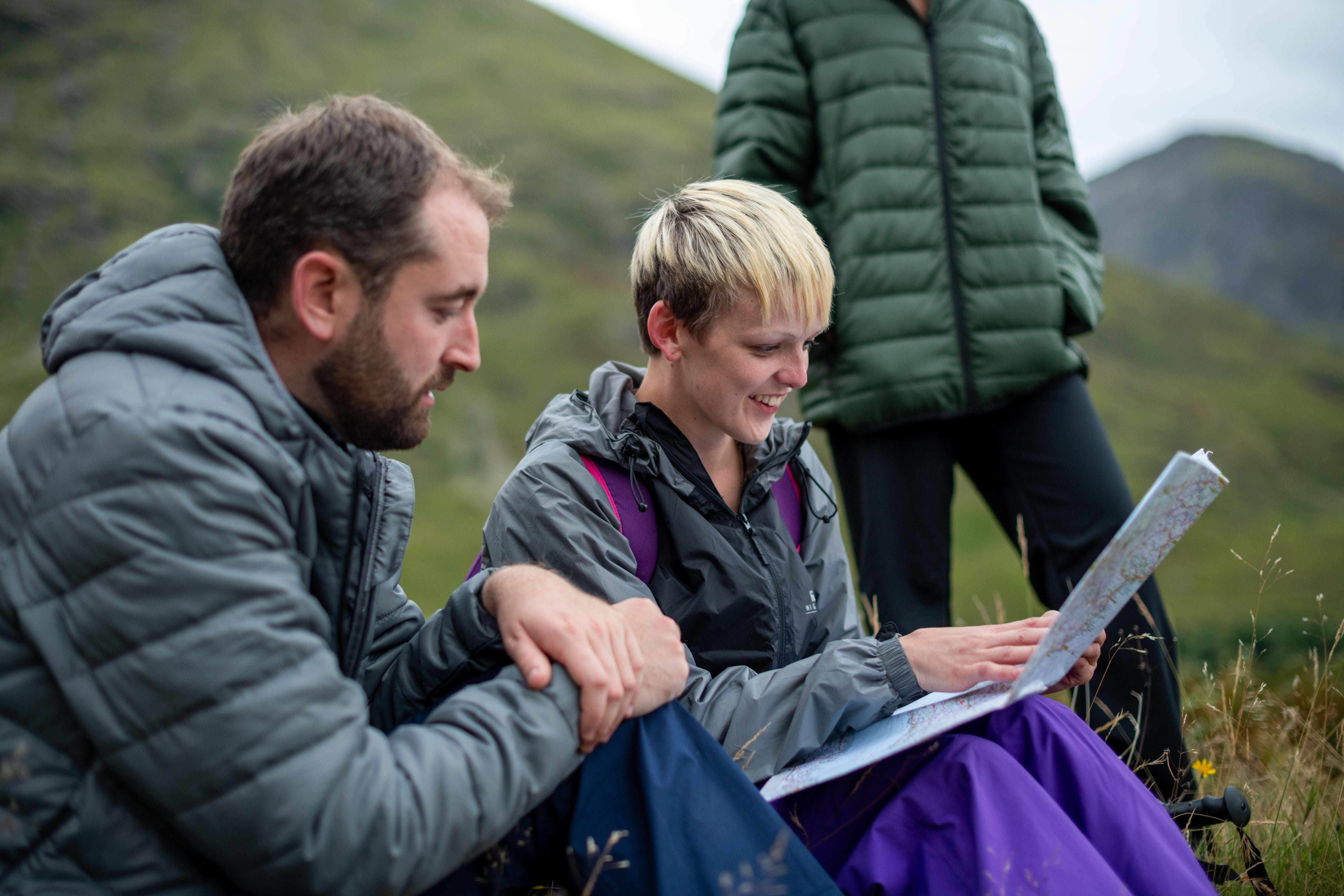
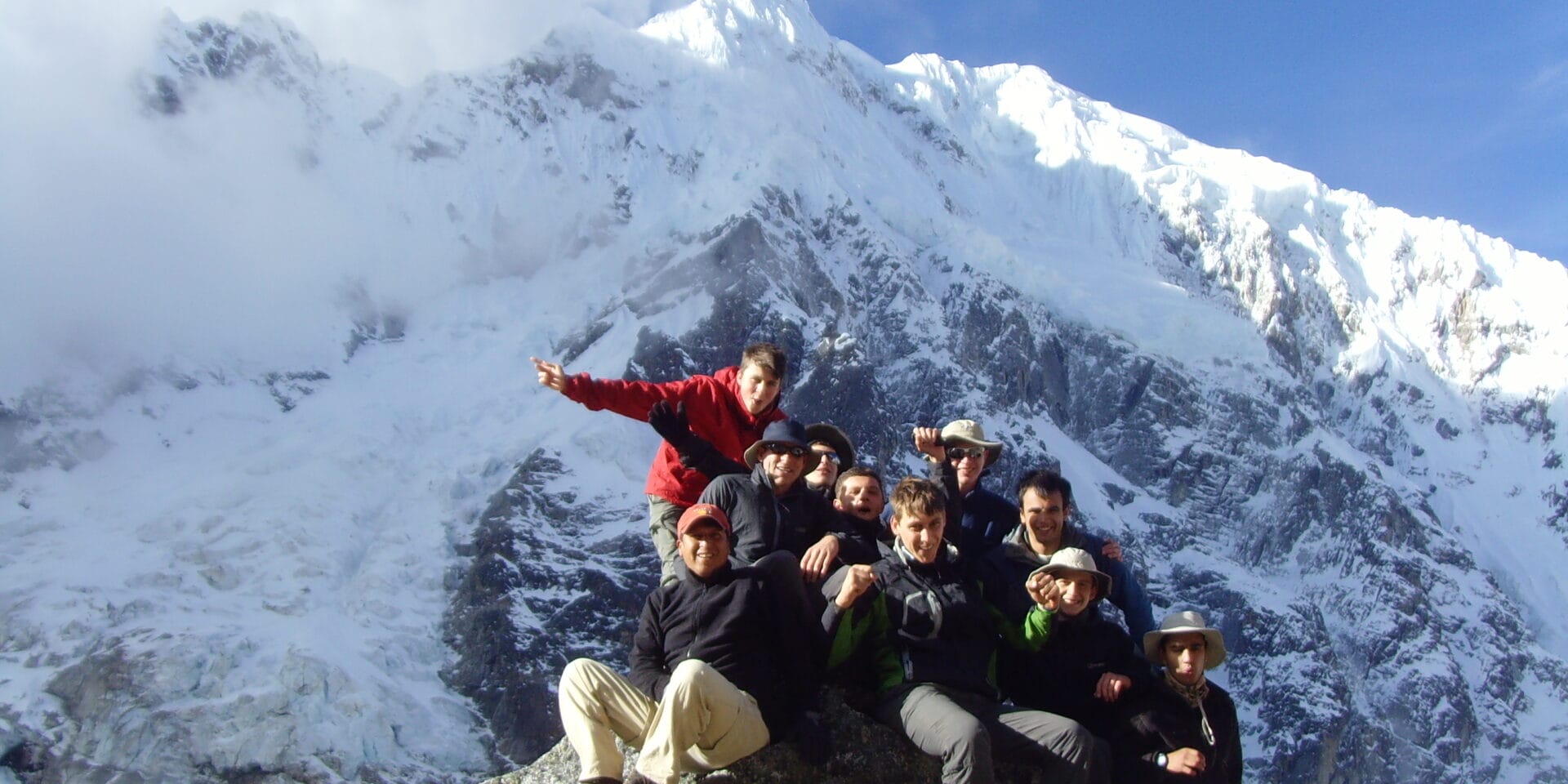
On a World Challenge Expedition, you’ll trek, and depending on where you go, you might work in a local community or on a conservation project.
Alongside that, your group runs the day-to-day. One of you manages the day’s budget, others plan and cook the team’s meals or sort out the day’s travel. Each of you takes a turn leading the whole group.
A trained Expedition Leader and your school’s teacher are with you throughout. The Leader’s job isn’t to run it for you – it’s to know when to step in and when to let you work it out.
Before you go, we’ll support you and your school group to prepare for the trip, including a team training day. You’ll also be encouraged to raise some of the cost of your expedition yourself, and we’ll give you ideas and support to help with that.

Worried? So was everyone else
We asked students who’ve been on a World Challenge Expedition what they were worried about beforehand. Some things came up again and again. Here are their answers, from young people who’ve already done it.
“I’ve never been away from home that long”
You’ll probably have less contact with home than you’re used to. It’s the thing students say they worried about most and something many are proud of afterwards. You’ll have more independence, but plenty of support around you. Your Expedition Leader, a teacher you already know and the rest of your team are all there with you.
“I won’t know anyone”
Your close friends might not be going and some of your group might be people you’ve hardly spoken to before. Most students tell us it gets easier quickly. You’re all in the same position and doing something challenging together. That has a habit of bringing people together. Plenty stay friends long after they get home.
“I’ll never raise the money”
It might look unachievable at the start. Lots of students raise some or all of the money themselves. Your school and World Challenge will give you a plan, ideas that have worked for other groups, and a long time to do it in. You won’t be doing it alone or raising it all at once. For lots of students, getting there becomes one of the things they’re proudest of before they’ve even left.
“I don’t know if I could handle it”
Some things might be different from home. The food, where you sleep and the bathrooms some nights. You’ll carry your own kit and go without a few things you’re used to. That’s part of the experience, but you won’t just be dropped into it.
Before you go, you’ll prepare as a group, complete a team training day and get a kit list well in advance, so you know what’s coming.
More than 150,000 students have taken on a World Challenge expedition. Many started with the same worries and came home surprised by what they were capable of.
Still not sure? See whether a World Challenge Expedition sounds like it’s for you.
What you can gain from a World Challenge expedition
More than photos and memories
Most young people come back with stories, photos and friends they still talk to long after the expedition ends.
But it’s more than that. It’s confidence in situations you haven’t been in before. Knowing you can handle things going wrong and get back on track. Being able to work with people you didn’t choose. A sense of how other people live. None of which you get from a lesson.
There’s a practical side too. At some point you’ll be asked to describe a time when you took responsibility or dealt with something difficult – in a personal statement, application or interview. Most people reach for something small. You’ll have something real. Because self-reflection is part of your expedition, you’ll be able to explain what you did, what you learned and how you handled it.
0%
Came home more confident
0%
Will keep challenging themselves at home
0%
Came home more resilient
0%
Used self-care strategies to maintain wellbeing
Source: World Challenge Impact Report 2026, based on 801 survey responses from students returning from their 2025 Expedition in 2025.
In their own words

“Even if you’re unsure, go for it. Fully committing to something you’re uncertain about is the first part of the challenge.”
Student FAQs

I’ve never done anything like this before. Is it for me?
Will it help with university, college or job applications?
How fit do I need to be?
How will I fit World Challenge around my schoolwork and exams?
What will I actually be doing on a school expedition?
Latest news and insights

Educational trip ideas by subject
Looking for educational trip ideas that inspire learning and build life skills? From hands-on science in Singapore to history tours in Greece, World Challenge offers transformative school travel experiences that go far beyond the classroom.

5 adventure school trip ideas for students
Discover five unforgettable educational trip ideas for 2027, designed to combine adventure, culture and personal growth. From canoeing in Norway to ocean conservation in Mozambique, these educational trips for schools develop resilience, teamwork and a lifelong respect for the outdoors.

The Lasting Impact of Residential Visits for Schools
Residential visits for schools offer far more than a break from routine. These hands-on experiences support academic learning, build confidence, and help students develop essential life skills, all while creating memories that last long after the trip ends.


Want to go?
Expeditions are usually organised through the school, so your next step is to talk to the teacher who told you about it. World Challenge will soon organise a student information evening where you can ask us anything you like.
If your school doesn’t run an expedition and you’d like them to, that’s worth raising as well. Some expeditions have started with a student asking. And if there’s something you’d rather ask us directly, get in touch below.
not a student?
Parents and teachers arrive with different questions. These pages help to answer theirs.